


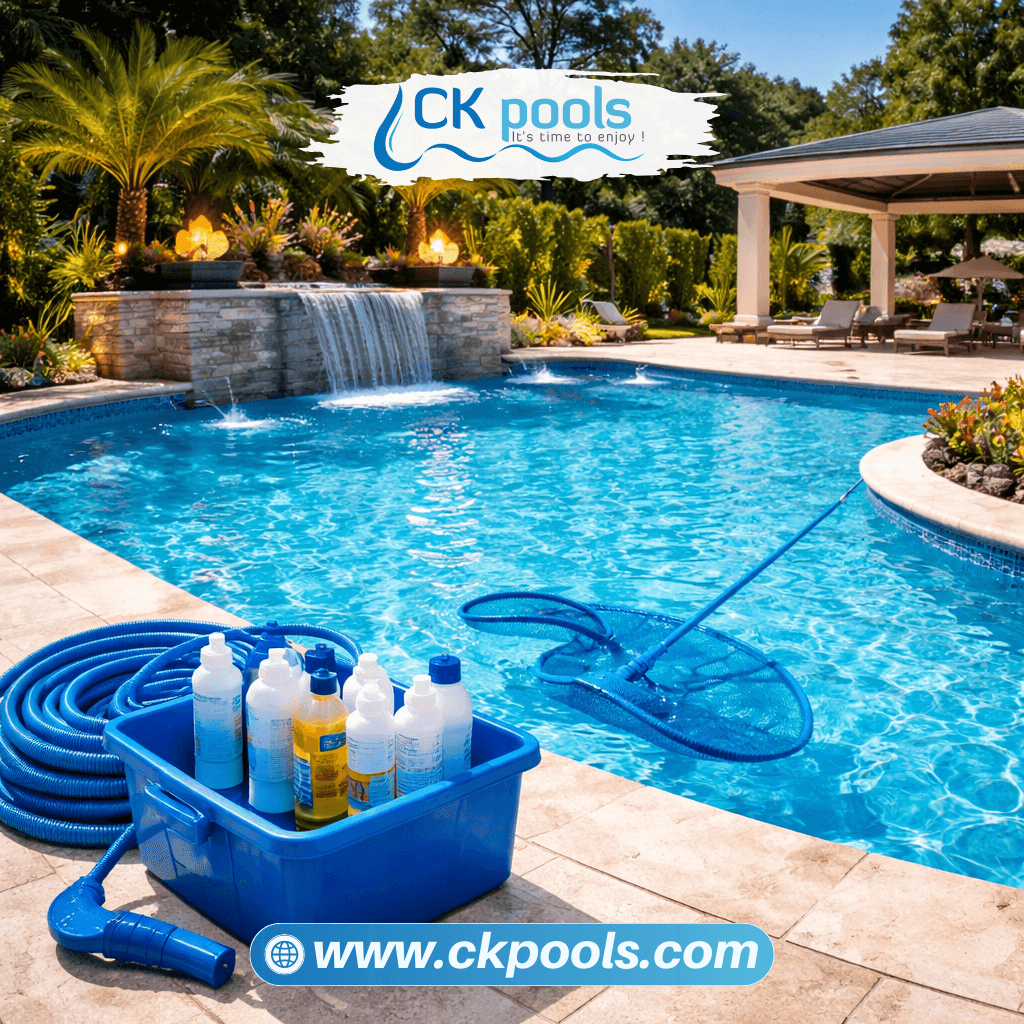
How Often Should You Clean and Maintain Your Pool
A Simple Schedule Every Homeowner Should Follow
One of the most common questions pool owners ask is also one of the most misunderstood.
“How often do I really need to clean my pool?”
Some people think once a month is fine. Others wait until the water turns cloudy. And then there are homeowners who clean constantly and still struggle with problems.
The truth sits somewhere in the middle.
Pool maintenance isn’t about reacting when something goes wrong. It’s about following the right schedule so problems never show up in the first place.
Let’s break it down in a way that actually makes sense.
Daily and Weekly Pool Maintenance
This is the foundation of a healthy pool.
Even if your pool looks clean, small issues start forming quickly, especially in Texas heat.
What should be done weekly at minimum
Surface skimming to remove leaves and debris
Brushing walls, steps, and tile line
Vacuuming the pool floor
Emptying skimmer and pump baskets
Testing and adjusting chlorine and pH levels
In cities like Houston, Dallas, San Antonio, and Corpus Christi, pools are used more often and exposed to higher temperatures. That means weekly maintenance is not optional, it’s essential.
Skipping weekly care is the fastest way to end up with algae, cloudy water, or damaged equipment.
Monthly Pool Maintenance Tasks
Weekly cleaning keeps the pool usable. Monthly maintenance keeps it healthy long term.
Once a month, you should
Inspect and clean the pool filter
Check water hardness and stabilizer levels
Inspect equipment for leaks or unusual noises
Examine tile, coping, and plaster for early damage
Confirm proper circulation and pump performance
These checks help catch small issues before they turn into expensive repairs.
Seasonal Pool Maintenance Matters More Than You Think
Pool care changes with the seasons, even in warm climates.
Spring and summer
Higher chlorine demand
More frequent cleaning
Longer pump run times
More strain on equipment
Fall
Increased debris from leaves
Gradual chemical adjustments
Winter
Freeze protection for equipment
Reduced run times but consistent circulation
Proper preparation for cold snaps
Many pool problems happen during seasonal transitions, not peak swim season.
What Happens If You Don’t Maintain Your Pool Often Enough
This is where costs quietly add up.
Unbalanced water damages plaster and tile
Algae stains become permanent
Filters clog and reduce circulation
Pumps and heaters wear out faster
Repairs cost far more than maintenance
Most major pool repairs start with skipped cleaning and delayed care.
DIY Maintenance vs Professional Pool Service
Some homeowners enjoy maintaining their pool. Others simply don’t have the time.
DIY works if you are consistent, understand water chemistry, and inspect equipment regularly.
Professional pool service works when you want
Consistent results
Proper chemical balance
Early problem detection
Less stress and guesswork
For many homeowners, professional service ends up saving money by preventing major issues.
How Often Should a Professional Service Your Pool
For most residential pools, weekly professional service is the ideal schedule.
This ensures
Clean water every week
Stable chemical balance
Proper equipment monitoring
Fewer emergency repairs
Especially in Texas climates, weekly service is the standard for trouble free pool ownership.
Let CK Pools Handle the Schedule for You
Your pool should be something you enjoy, not something you worry about.
At CK Pools, we provide reliable, professional pool maintenance services across Houston, Dallas, San Antonio, and Corpus Christi. We follow proven schedules, monitor every detail, and keep your pool in top condition year round.
Want a clean, healthy pool without the stress?
👉 Request your free pool maintenance quote today
https://ckpools.com/get-a-quote/


Comments are closed