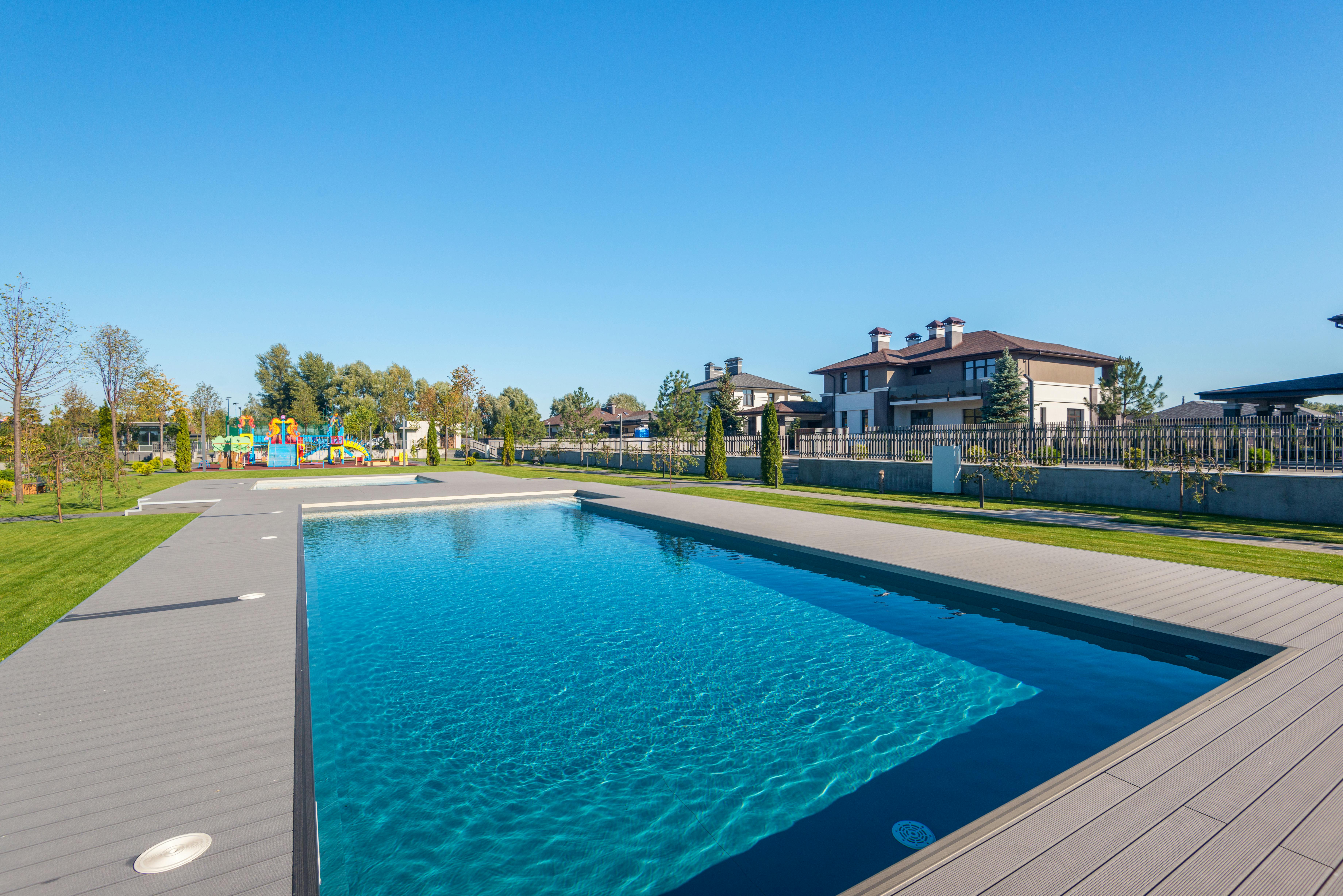
Building a pool is one of the biggest investments a Texas homeowner can make — and one of the most rewarding ones. A custom pool adds lifestyle value that's hard to put a number on: summer afternoons that never get old, a backyard that becomes the place everyone wants to be, and an outdoor living space that works as hard as Texas summers demand. But pool construction is also a complex, multi-month process with a lot of decisions to make, a lot of contractors making promises, and a lot of room for things to go wrong if you don't know what to look for.
This guide is for Texas homeowners who are seriously considering pool construction — whether you're just starting to research or you've already gotten a few quotes and want to understand the process better. We'll cover what custom pool construction actually involves, what decisions you'll need to make, what the construction timeline looks like, and what separates a pool that lasts decades from one that starts showing problems in the first few years.
Texas is genuinely one of the best states in the country to own a pool. The climate allows for swim seasons that stretch from March through October in most of the state — and nearly year-round in Houston, San Antonio, and Corpus Christi. Outdoor living is deeply embedded in Texas culture, and a well-designed pool transforms a backyard into a legitimate entertainment destination.
But Texas also presents pool construction challenges that builders in milder climates don't deal with. The expansive clay soils found across much of North Texas — particularly in the Dallas and Fort Worth area — shift dramatically with moisture changes, putting stress on pool shells and underground plumbing that isn't engineered to handle movement. Houston's high water table creates challenges for excavation and requires specific engineering considerations. South Texas heat demands materials and finishes that hold up under intense UV exposure without fading or deteriorating prematurely.
Pool construction in Texas isn't just about building a beautiful pool — it's about building one that's engineered correctly for the specific soil conditions, climate, and environment where it will live for the next 30 to 50 years.
The first major decision in any pool construction project is what type of pool you're building. Each construction method has its own advantages, limitations, and ideal use cases.
Gunite and shotcrete pools. Gunite and shotcrete pools are the most common type of in-ground pool construction in Texas — and for good reason. These concrete-based pools are built by spraying a mixture of cement and aggregate over a steel rebar framework, creating an incredibly strong and durable shell that can be shaped into virtually any design. Gunite pool construction allows for completely custom shapes, depths, and features — making it the choice for homeowners who want a truly unique pool.
Gunite and shotcrete pools are the best option for Texas homeowners because of their structural integrity in challenging soil conditions. The strength of a properly engineered concrete pool shell is better able to resist the ground movement that Dallas clay soils and Houston's expansive conditions can create.
Interior finish options for gunite pool construction include plaster, pebble aggregate, quartz, and tile — each offering a different look, texture, and durability profile.
Fiberglass pools. Fiberglass pools are pre-manufactured shells that are delivered to the site and set into an excavated hole. Pool construction with fiberglass is faster than gunite — installation can be completed in a matter of days rather than weeks — and fiberglass surfaces are smooth, non-porous, and relatively low-maintenance.
The limitation of fiberglass pool construction is shape and size. Because the shell is manufactured off-site, you're limited to the shapes and sizes the manufacturer offers. For homeowners who want a specific custom shape or a very large pool, gunite construction is typically the better path.
Vinyl liner pools. Vinyl liner pools use a steel or polymer frame with a vinyl liner that forms the interior surface. Pool construction with vinyl liners is generally the most affordable in-ground option upfront, but the liner itself requires replacement every 8–12 years — adding to long-term ownership costs. Vinyl liner pools are less common in Texas than in other parts of the country, partly because the heat and UV exposure here accelerates liner deterioration.
Pool construction is a multi-phase process that typically takes 8–16 weeks from breaking ground to first swim, depending on the complexity of the design, material availability, weather conditions, and permit processing times. Here's an overview of what happens at each stage:
Design and planning. Every pool construction project starts with design. This is where you work with your pool builder to define the shape, size, depth profile, features, finish materials, equipment selection, and overall aesthetic of your pool. A good pool construction company brings design experience and local knowledge to this process — recommending shapes that work with your yard's dimensions, features that fit your lifestyle, and materials that perform well in Texas conditions.
This phase also includes a site evaluation — assessing soil conditions, drainage, utility locations, and any engineering considerations that need to be addressed in the pool construction design.
Permits and engineering. Pool construction in Texas requires permits from your local municipality. The permitting process includes submitting pool construction plans for review, obtaining structural engineering approval where required, and satisfying any HOA design requirements that apply to your property. Permit timelines vary significantly by city — Houston, Dallas, San Antonio, and Austin each have their own processes and timelines. An experienced pool construction company handles permit submissions and follows up to keep the project moving.
Excavation. Once permits are approved, excavation begins. The pool construction crew digs the hole to the dimensions specified in the design, accounting for the thickness of the shell and any surrounding features. Excavation in Texas clay soils requires experienced operators who understand how the material behaves and how to stage excavated soil without damaging the surrounding yard.
Steel and plumbing. After excavation, the pool construction crew installs the steel rebar framework that gives the pool its structural strength. Plumbing lines for returns, suction, features, and equipment are also installed at this stage — all running through the shell before the concrete is applied.
Shotcrete or gunite application. The concrete mixture is sprayed over the steel framework under high pressure, forming the pool shell. This is the stage where the pool takes its physical shape. After application, the shell cures for several days before work continues.
Tile, coping, and decking. With the shell cured, pool construction moves to finish work — setting waterline tile, installing coping around the pool edge, and pouring or laying the surrounding deck. These elements define the visual character of the finished pool and are where much of the design vision becomes reality.
Equipment installation. Pool construction includes installing and connecting all equipment — pump, filter, heater, automation system, lighting, and any water features. Equipment is plumbed and wired at the equipment pad, and all connections are tested before the pool is filled.
Interior finish application. The interior surface — plaster, pebble, quartz, or tile — is applied to the cured shell. This is the final structural step in pool construction and one of the most important for long-term performance. The quality of the finish application and the startup chemical protocol that follows directly affects how the surface looks and holds up over the life of the pool.
Fill and startup. The pool is filled with water and the chemical startup process begins. New pool construction surfaces — particularly plaster and pebble — require a specific startup protocol to cure properly. This phase typically takes 7–14 days and involves daily brushing and chemistry management to ensure the surface develops correctly.
Pool construction involves a long list of decisions. Here are the ones that have the most impact on the finished product:
Pool shape and size. The shape of your pool should complement your yard's dimensions, your home's architecture, and how you intend to use the pool. Freeform shapes suit informal outdoor spaces and natural landscaping. Geometric shapes — rectangles, L-shapes, Roman ends — work well with contemporary homes and structured outdoor spaces. Size matters for both enjoyment and operating costs — larger pools cost more to heat, chemically treat, and maintain.
Depth profile. How you use the pool should drive the depth design. Families with young children often prioritize shallow areas and sun shelves. Lap swimmers need consistent depth across a longer pool. Divers need adequate deep end depth. Pool construction is the time to design the depth profile that serves your actual use — changing it after construction isn't an option.
Interior finish. Your interior finish choice affects everything from how the pool looks to how it feels underfoot to how easy it is to maintain. Plaster is the most affordable finish option in pool construction and delivers a classic look, but it's the least durable and typically needs resurfacing every 10–15 years. Pebble aggregate finishes are more durable, more textured, and available in a range of colors and aesthetics. Quartz finishes offer a balance of durability, appearance, and cost. Full tile interiors are the premium option — durable, beautiful, and easy to maintain — at a significantly higher pool construction cost.
Water features. Waterfalls, fountains, grottos, spillways, deck jets, and bubblers are among the most popular pool construction add-ons in Texas. These features add visual interest, ambient sound, and a resort-quality feel that most homeowners find worth the additional pool construction investment. Planning water features during the initial pool construction design is always more cost-effective than adding them later.
Lighting. LED pool lighting has become standard in new pool construction — and for good reason. Color-changing LED lights transform the pool's appearance after dark, are energy-efficient, and have lifespans that far exceed older incandescent fixtures. Lighting placement is a pool construction decision that affects both function and aesthetics.
Equipment selection. Variable speed pumps, modern filtration systems, salt chlorination, and smart automation are all worth serious consideration during pool construction. Variable speed pumps in particular pay for themselves over time through energy savings — they consume significantly less electricity than single-speed pumps and are now required by federal energy efficiency standards in new pool construction.
Not all pool construction is equal. The difference between a pool that looks great and performs reliably for 30 years and one that starts showing problems within the first few years often comes down to a handful of factors:
Engineering for local conditions. Quality pool construction in Texas accounts for soil conditions, water table, and climate in the structural design. A pool built without adequate steel density, proper bond beam engineering, or appropriate shell thickness for local soil conditions is more likely to crack, shift, or develop structural problems over time.
Experienced crews. Pool construction quality is directly tied to the skill of the people doing the work. Gunite application, steel placement, plumbing installation, and finish application are all trades where experience shows in the finished product and in long-term performance.
Quality materials. From the concrete mix to the finish materials to the equipment installed, material quality in pool construction directly affects longevity and performance. Cutting corners on materials is the most common source of premature pool construction failures.
Proper startup protocol. New pool surfaces are vulnerable during the curing process. A pool construction company that rushes the startup or doesn't manage the startup chemistry correctly sets the surface up for premature deterioration — problems that may not become visible until years later.
Transparent communication. Quality pool construction companies keep clients informed at every stage — when permits are submitted, when excavation is scheduled, when each phase is complete, and when decisions need to be made. If a pool construction company goes quiet during the project, that's a red flag worth paying attention to.

Whether you're building your first pool in Houston's suburbs, constructing a custom backyard retreat in Dallas, or adding a pool to your San Antonio or Austin property — CK Pools has the experience and the team to build it right.
Ready to build the pool you've always wanted? Request your free pool construction consultation at ckpools.com/contact and let CK Pools turn your backyard vision into reality.