A clean pool isn't just about clear water. It's about water that's safe to swim in, equipment that runs the way it should, and a backyard you actually want to spend time in. But for most homeowners, keeping up with pool cleaning feels like a moving target — especially in Texas, where the heat, pollen, and heavy pool use make maintenance a constant battle.
If your pool has been looking a little off lately — cloudy water, a slippery surface, or that faint green tint creeping in — this guide is for you. We're breaking down exactly what professional pool cleaning covers, how often you actually need it, and what happens when you skip it too long.
A lot of homeowners assume pool cleaning just means scooping out leaves and dumping in some chlorine. In reality, a proper professional pool cleaning service covers a lot more ground — and skipping any one of these steps is usually what leads to bigger problems down the road.
Here's what a thorough pool cleaning should always include:
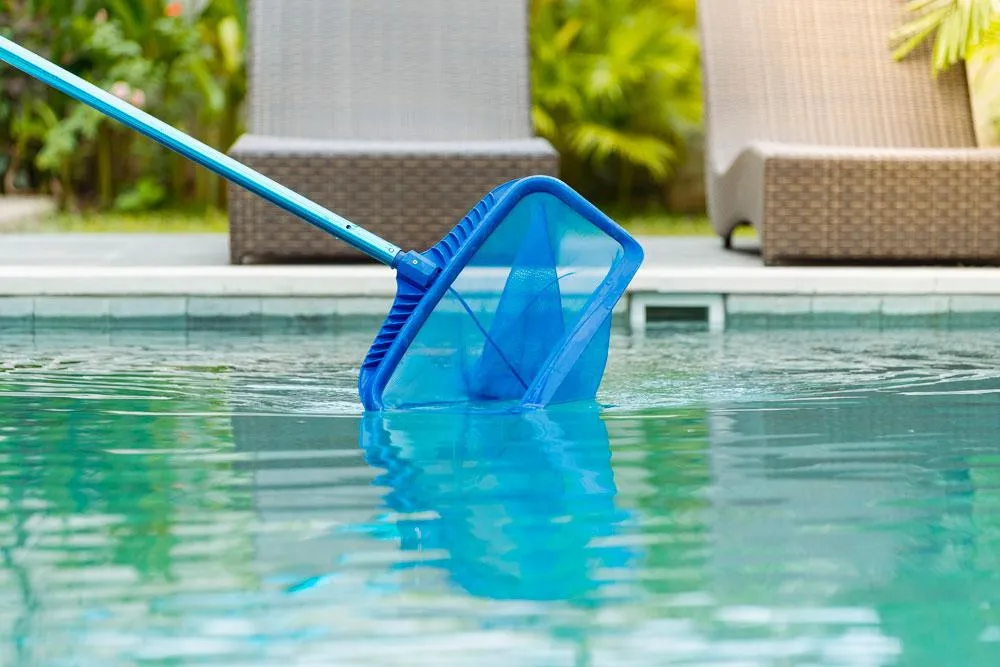
Skimming the surface. Leaves, bugs, pollen, and debris collect on the water's surface constantly. Left alone, that organic matter sinks, breaks down, and starts feeding algae. Surface skimming is the first line of defense in every cleaning visit.
Brushing the walls and floor. Algae doesn't always show up as a full green pool right away. It starts as a thin film on your pool walls, steps, and floor. Regular brushing breaks that buildup up before it takes hold and turns your water green.
Vacuuming the pool floor. Even with a working filter, debris settles on the bottom. Vacuuming pulls out fine sediment, dead algae, dirt, and anything else that's sunk to the floor since the last visit.
Cleaning the skimmer and pump baskets. Clogged baskets restrict water flow and put unnecessary strain on your pump. A good pool cleaning always includes emptying and rinsing both baskets so your circulation system stays efficient.
Testing and balancing water chemistry. This is where most DIY pool owners fall short. Water chemistry isn't just about chlorine levels — it's about pH, alkalinity, calcium hardness, and cyanuric acid all working together. Even one reading that's off can cause cloudy water, skin irritation, or equipment damage. Professional pool cleaning always includes a full chemical check and adjustment.
Checking equipment operation. A trained pool technician doesn't just clean — they observe. If a pump is running louder than normal, a return jet has lost pressure, or a heater is cycling strangely, those are red flags a professional pool cleaning visit will catch early.
This is one of the most common questions pool owners ask, and the answer is almost always: more often than you think.
In states with mild climates, bi-weekly pool cleaning can work. In Texas, it's a different story. Houston summers push triple-digit heat indexes. San Antonio pools run well into October. Dallas and Austin deal with heavy pollen seasons that dump organic material into the water for weeks at a time. Corpus Christi pools fight salt air. Every city CK Pools serves has its own set of challenges that makes consistent pool cleaning non-negotiable.
For most residential pools in Texas, weekly pool cleaning is the standard — and for good reason. A week is about as long as your water chemistry can hold steady without intervention during peak swim season. Push it to two weeks and you're almost guaranteed to see chlorine levels drop, pH drift, and the early stages of algae formation.
Here's a simple breakdown of how pool cleaning frequency should be decided:
High use pool (swimming multiple times a week, kids, parties): Weekly pool cleaning is essential. The more bodies in the water, the faster chemistry shifts.
Moderate use pool (swimming a few times a week, 1–3 people): Weekly pool cleaning is still strongly recommended during spring and summer. You may be able to stretch to every 10 days in cooler months.
Low use pool (occasionally used, mostly decorative): Bi-weekly pool cleaning may be workable in fall and winter, but never during a Texas summer.
Pool near trees or landscaping: Weekly pool cleaning regardless of use. Organic debris is the fastest way to throw off your water and start an algae problem.
Most pool problems don't happen overnight. They build up over days and weeks of missed or inadequate pool cleaning. Here's the typical progression when a pool goes without proper service:
Week 1–2 without pool cleaning: Chlorine drops, pH drifts, debris accumulates on the surface and bottom. Water starts to look slightly hazy.
Week 2–3 without pool cleaning: Algae spores that were always present in the water start gaining a foothold. You'll notice the walls getting slippery and the water taking on a cloudy or faintly green tint.
Week 3–4 without pool cleaning: Full algae bloom. Water turns green or even dark green. Visibility drops, the pool becomes unsafe to swim in, and shock treatment alone often isn't enough to recover it.
Beyond 4 weeks without pool cleaning: You're now looking at potentially draining, scrubbing, and refilling the pool — a process that's expensive, wastes thousands of gallons of water, and could have been entirely avoided with regular pool cleaning service.
The cost of a professional pool cleaning visit is a fraction of what it takes to recover a neglected pool. That math is something every Texas homeowner should know.
There's no shortage of YouTube tutorials on how to clean your own pool. And yes, basic tasks like emptying the skimmer basket or adding a chlorine tab are things homeowners can do themselves. But professional pool cleaning goes beyond what most homeowners have the time, tools, or training to replicate consistently.
Here's what you actually get with professional pool cleaning service:
Consistency. The biggest advantage of hiring a pool cleaning company is that the work gets done on schedule, every time, whether you're home or not. Consistency is what keeps small issues from becoming big ones.
Expertise. Professional pool cleaning technicians are trained to read water chemistry accurately, identify equipment issues early, and adjust service based on what the pool actually needs — not a one-size-fits-all checklist.
Accountability. With CK Pools, every pool cleaning visit comes with a detailed service report. You'll know exactly what was done, what chemicals were added, and if anything needs attention — no guesswork.
Time savings. Between skimming, vacuuming, brushing, testing, and adjusting chemicals, a proper pool cleaning takes 45 minutes to over an hour when done right. For most homeowners, that's time better spent enjoying the pool rather than working on it.
Equipment protection. Proper pool cleaning isn't just about the water — it's about keeping your pump, filter, and other equipment running efficiently. Clean, balanced water is less corrosive to pool equipment and extends the life of every component in your system.
Not sure if your pool has fallen behind? Here are the most common signs Texas homeowners notice when their pool cleaning schedule has slipped:
Any one of these is a sign that your pool cleaning schedule needs attention. Several of them together mean it's time to call a professional.

Whether your pool needs a one-time cleanup or you're looking for ongoing weekly pool cleaning service, CK Pools is ready to help.
Ready to get your pool clean and keep it that way? Request a free quote at ckpools.com/contact and a CK Pools team member will reach out to get you scheduled.