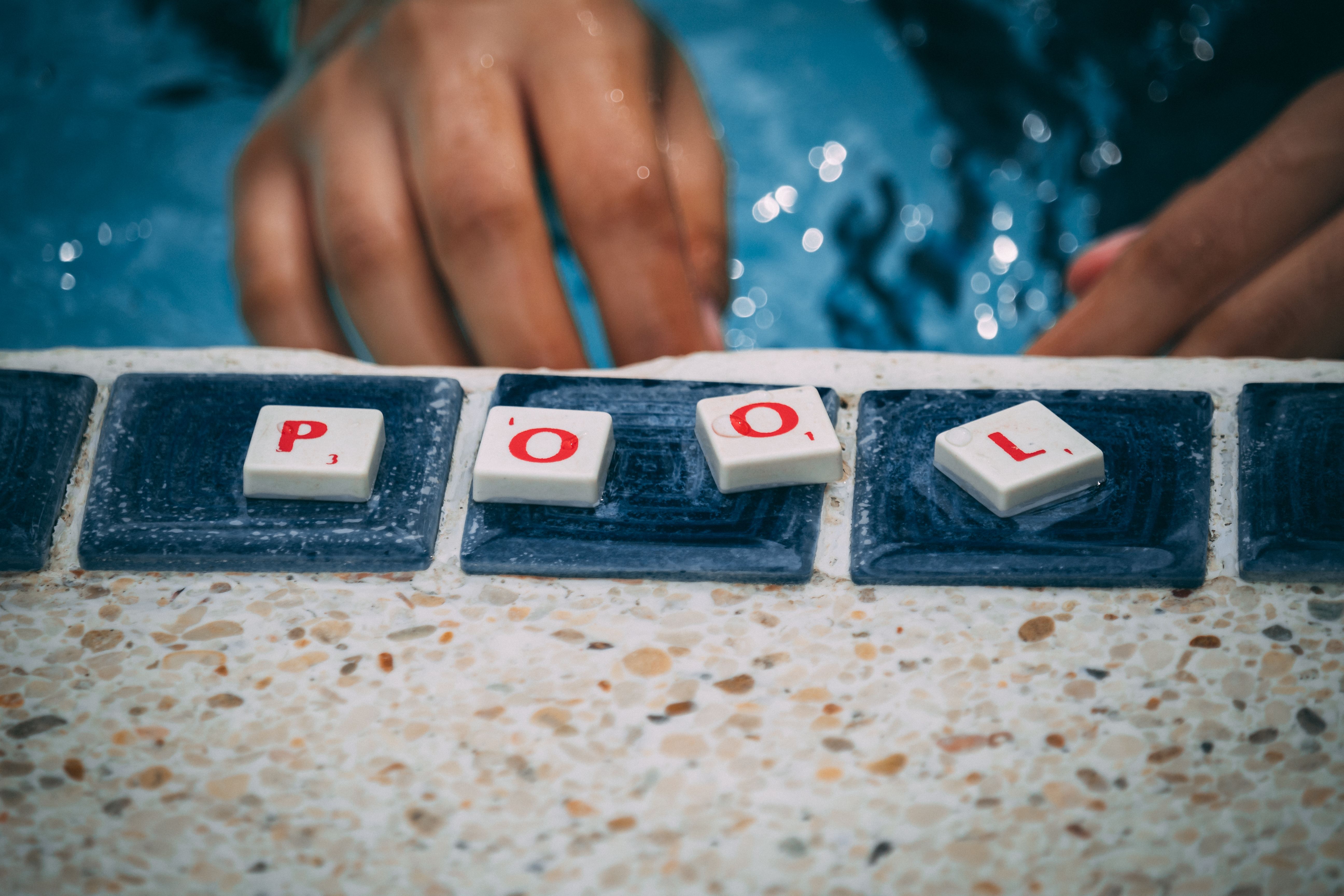
Pool coping is one of those elements that most homeowners don't consciously notice until it's wrong — cracked, separating from the pool wall, stained, or so visually mismatched with the rest of the pool that it drags down the entire aesthetic. When coping is right, it frames the pool beautifully, provides a safe edge for swimmers to grip, protects the bond beam from water infiltration, and ties the pool visually to the surrounding deck and landscape. When it's wrong, it fails all of those functions simultaneously.
In Texas, coping selection and installation matter more than most homeowners realize — because Texas conditions stress pool coping harder than milder climates. The expansive clay soils of North Texas shift the pool structure itself. Intense summer heat cycling causes thermal expansion and contraction that stresses every joint and bond. Hard water deposits calcium aggressively on exposed horizontal surfaces. And the long Texas swim season means coping takes more physical wear from swimmers gripping, sitting, and walking on the edge than coping in shorter-season states.
This guide covers every major pool coping option available to Texas homeowners, how each performs in Texas conditions specifically, what pool coping costs, and what CK Pools recommends based on decades of installing and maintaining pools across the state.
Before comparing materials, understanding what pool coping is designed to accomplish helps frame why material choice and installation quality are genuinely important rather than just aesthetic considerations.
Protects the bond beam. The bond beam is the structural concrete band at the top of the pool wall — the most structurally critical section of the pool shell. Pool coping caps the bond beam, preventing water from penetrating the top of the pool wall and reaching the reinforcing steel inside. Water infiltration through deteriorated or absent coping causes steel corrosion, concrete spalling, and eventual bond beam failure that is expensive to repair and structurally significant. Properly installed, well-maintained pool coping is the bond beam's primary protection from the water it's sitting next to permanently.
Creates the transition between pool and deck. Pool coping is the material that bridges the pool structure and the surrounding deck — accommodating the independent movement of both without cracking or separating. The expansion joint between pool coping and deck surface is specifically designed to allow the pool and deck to move independently without transmitting stress to either structure. In Texas clay soil markets where both the pool shell and the surrounding grade move seasonally, this expansion accommodation is critical for coping longevity.
Provides grip and safety at the pool edge. Swimmers grip pool coping when resting at the wall, push off from it when doing laps, and step on it when entering and exiting the pool. Coping that's slippery when wet, structurally weak, or has sharp edges creates genuine safety hazards at the most-used edge of the pool. The coping edge profile — bullnose, cantilevered, flat — affects both grip and the visual character of the pool.
Frames the pool visually. Pool coping is the first thing visible when looking at a pool from deck level — the cap that frames the water and defines the pool's visual edge. Coping that's dated, stained, cracked, or mismatched with the deck material makes even a well-maintained pool look tired. Updated coping, by contrast, immediately modernizes a pool's appearance even when the interior hasn't changed.
Poured concrete coping — also called cast-in-place coping — is the original and most common pool coping type for Texas inground pools built before the widespread availability of cut stone and paver alternatives. It's formed and poured directly on the pool bond beam as part of the pool construction process.
What poured concrete coping is: Concrete is poured into forms at the top of the pool wall, creating a coping cap that's integral to the pool shell rather than a separate material bonded to it. The edge is typically finished with a bullnose profile — a rounded edge that's comfortable to grip and minimizes chipping. Color can be added to poured concrete coping through integral pigment or surface treatments.
Performance in Texas conditions: Poured concrete coping is durable and structurally integrated — because it's cast as part of the pool structure, there's no adhesive bond to fail in the way that applied stone or pavers can separate from the bond beam. The limitation is that poured concrete is vulnerable to the same cracking that affects all concrete in Texas clay soil conditions — the coping is relatively rigid, and when the soil beneath the pool moves, the coping cracks at the weakest points.
Poured concrete coping also shows calcium scale deposits visibly — particularly the gray or white calcium band that develops along the outer edge of the coping where water runs and evaporates during splashing. In Texas hard water markets, poured concrete coping requires regular cleaning to prevent calcium buildup from becoming permanently bonded to the surface.
Cost: Poured concrete coping is the most affordable option — it's often included as the standard coping in base-tier pool construction quotes without a line-item cost. For renovation projects where existing coping is being removed and replaced with poured concrete, cost is modest compared to stone alternatives.
Best for: New pool construction where budget is the primary driver, pools where a cost-effective functional edge is the priority over premium aesthetics, and renovation projects where other upgrades are consuming the budget.
Cantilevered concrete coping extends the pool deck material over the bond beam — creating a seamless visual transition between the deck and the pool edge with no visible joint between coping and deck surface.
What cantilevered coping is: Rather than a separate coping material sitting on top of the bond beam, the deck concrete is poured to extend several inches over the pool wall — cantilever style — with a formed bullnose edge at the pool. The deck material and the coping are one continuous pour, creating visual continuity between deck and pool edge.
Performance in Texas conditions: Cantilevered coping creates an elegant, clean look that's popular in contemporary Texas pool design — the absence of a visual seam between deck and pool edge gives the pool a more refined appearance than separate coping pieces. The functional limitation is the same as poured concrete — susceptibility to cracking in clay soil markets — with the additional consideration that cracking in cantilevered coping is more visually prominent because it runs through the seamless deck surface.
Cost: Cantilevered coping is typically slightly more expensive than standard poured coping because it requires more skilled formwork and finishing. The cost is generally absorbed into the overall deck concrete cost rather than priced as a separate line item.
Best for: Contemporary Texas pool designs where visual continuity between deck and pool edge is a design priority, pools with cool deck or exposed aggregate surfaces where matching the coping material to the deck creates a cohesive result.
Travertine coping is one of the most popular pool coping upgrades in Texas — and its performance characteristics in the Texas environment make it one of the strongest recommendations CK Pools makes for homeowners who are investing in pool renovation or building with a premium aesthetic vision.
What travertine coping is: Travertine is a natural limestone formed by mineral springs — quarried, cut, and finished into coping units that are set on the pool bond beam with waterproof adhesive mortar. Travertine coping is available in several finish options — tumbled (soft, rounded edges and an aged appearance), honed (smooth, matte surface), and brushed (textured surface with visible natural variation). Edge profiles range from standard bullnose to more elaborate ogee and drop-face profiles.
Performance in Texas conditions: Travertine coping has two specific performance characteristics that make it particularly well-suited to Texas pool environments:
Heat resistance. Natural travertine — particularly in lighter colors — stays remarkably cool underfoot even in direct Texas summer sun. The material's natural porosity and light color reflect and dissipate heat rather than absorbing it, keeping the coping surface 20–30 degrees cooler than comparable concrete or dark stone options in the same conditions. For Texas pools where coping gets sat on, walked on, and gripped by swimmers through long hot summers, the heat comfort of travertine is a meaningful quality-of-life difference.
Aesthetic durability. Travertine ages gracefully in a way that concrete and manufactured materials don't — the natural variation of the stone means that wear and weathering add character rather than detracting from appearance. A travertine coping installation that's 15 years old with appropriate maintenance looks weathered and natural rather than deteriorated.
The primary maintenance consideration with travertine in Texas is sealing — travertine is porous and requires sealing to resist the mineral infiltration that Texas hard water encourages. Properly sealed and maintained travertine coping resists calcium bonding into the stone surface and remains cleanable with appropriate stone cleaners. Improperly sealed or neglected travertine accumulates calcium scale that eventually requires professional descaling to address.
Cost: Travertine coping typically costs $15–$30 per linear foot installed — a meaningful premium over concrete alternatives that reflects the material cost and the installation skill required. For a standard 50–60 linear foot pool perimeter, travertine coping represents an investment of $750–$1,800 in material and installation.
Best for: Most Texas residential pools where premium aesthetics, heat comfort, and long-term visual durability justify the cost premium — travertine is CK Pools' most frequently recommended coping material for Texas pool renovation and new construction.
Beyond travertine, a range of natural stone materials are used for pool coping in Texas — each with its own aesthetic character and performance profile.
Limestone coping: Texas limestone — Hill Country limestone, Austin limestone, and similar regional materials — has a natural connection to the Texas landscape that imported travertine doesn't fully replicate. Texas limestone coping creates a pool environment that feels genuinely native to the region — warm golden tones, natural texture, and a material identity that fits the landscape authentically. Performance characteristics are similar to travertine — good heat resistance, requires sealing for hard water conditions.
Flagstone coping: Irregular flagstone coping — using natural stone pieces set in a random pattern — creates an organic, naturalistic pool edge that complements freeform pool designs and natural rock water features. The irregular joints require more skill to execute cleanly and more maintenance to keep sealed and clear of calcium scale, but the visual result is more authentically natural than any cut stone alternative.
Slate coping: Slate provides a dramatically different aesthetic — dark, layered, richly textured — that creates bold contrast with pool water. Slate is naturally dense and relatively non-porous compared to travertine or limestone, making it somewhat more resistant to calcium infiltration. The dark color shows calcium deposits more visibly than lighter stones, which is a maintenance consideration in Texas hard water markets.
Granite coping: Granite is the hardest and most durable natural stone used in pool coping — extremely resistant to wear, non-porous, and available in a range of colors from black and gray to pink and white. The hardness that makes granite durable also makes it less forgiving to cut and install, and its thermal mass means it heats up more in direct Texas sun than lighter, more porous stones. Granite coping is a premium option where extreme durability is valued.
Brick coping is a traditional pool coping option that's more common in older Texas pools than in contemporary new construction — but it remains a viable choice in specific design contexts and renovation applications.
What brick coping is: Pool-grade brick units set on the bond beam with mortar — typically in a bullnose or rowlock orientation that provides a rounded edge at the pool. Traditional red brick, tumbled brick, and vintage-look brick coping create a classic, residential aesthetic that fits colonial, traditional, and cottage-style architecture.
Performance in Texas conditions: Brick is a porous material that requires sealing in Texas hard water conditions — unsealed brick accumulates calcium scale that's difficult to remove without surface abrasion. Brick is also susceptible to cracking from freeze events in North Texas markets — brick units that absorb moisture and then freeze can spall and crack.
The visual limitation of brick coping in Texas contemporary pool design is primarily aesthetic — brick reads as traditional and formal in a market where pool design has increasingly moved toward contemporary and resort-influenced aesthetics. For pools where the traditional aesthetic is intentional — pools adjacent to traditional architecture, formal garden pools, or pools designed specifically to complement brick homes — brick coping remains a coherent choice.
Cost: Brick coping is in the mid-range of coping options — more expensive than poured concrete, less expensive than premium natural stone. Installation cost is moderate.
Best for: Traditional architecture settings where brick coping is aesthetically consistent with the home and landscape design, renovation projects where brick coping replacement in-kind maintains the pool's original aesthetic character.
Concrete paver coping uses the same paver materials that are popular for pool decking — set at the pool edge as coping units rather than full deck pieces. Paver coping provides visual continuity between pool edge and deck when pavers are used for both, and the individual unit construction accommodates soil movement better than monolithic poured concrete.
What paver coping is: Individual concrete or composite paver units set on the bond beam and flush with or slightly elevated above the deck surface — with the paver edge at the pool providing the coping function. Paver coping can use the same material as the deck for visual continuity or a contrasting material for visual definition.
Performance in Texas conditions: The individual unit construction of paver coping provides meaningful advantage in Texas clay soil markets — where monolithic concrete cracks when the ground moves, individual paver units accommodate slight movement without cracking. A paver that shifts slightly from ground movement can be re-leveled; a poured concrete coping crack requires patching that's visible regardless of skill.
Concrete pavers in Texas are susceptible to surface discoloration over time — UV exposure and the mineral deposits of hard water affect paver surfaces more than natural stone, and sealed surfaces eventually need resealing to maintain appearance and cleanability.
Cost: Paver coping is in the mid-range — typically $10–$20 per linear foot installed depending on the paver material and edge profile. When used in combination with a paver deck, the combined installation efficiency often makes paver coping more cost-competitive than it appears as a standalone material.
Best for: Pools with paver decks where visual continuity between coping and deck is a design priority, North Texas markets where soil movement makes individual unit construction preferable to monolithic alternatives.
Regardless of material, quality pool coping installation in Texas requires specific practices that affect how long the coping performs:
Bond beam preparation. The bond beam surface must be clean, sound, and properly prepared before coping is set. Deteriorated bond beam concrete, contamination from oils or existing adhesive, or inadequate surface profile all compromise the adhesive bond between coping and pool structure. CK Pools addresses bond beam condition as the first step in every coping installation — including necessary repairs before any new material is set.
Waterproof setting mortar. Coping is set in mortar that must be formulated for continuous water exposure — standard construction mortar is not adequate for pool coping. Waterproof polymer-modified mortars provide the bond strength, flexibility, and water resistance that pool coping installation requires.
Expansion joint at deck transition. The joint between pool coping and the surrounding deck must be filled with flexible sealant — not grout — to allow independent movement. A rigid grout joint at this transition cracks as the pool and deck move independently, allowing water infiltration that accelerates bond beam deterioration. CK Pools consistently installs proper expansion joints at all coping-to-deck transitions.
Sealing. Natural stone and paver coping in Texas hard water conditions benefits from sealing immediately after installation and periodic resealing every 2–3 years. Proper sealing prevents mineral infiltration into porous materials and makes calcium scale removal more effective and less abrasive.

With over 37 years of pool coping experience across every Texas market — understanding the clay soil demands of Dallas, the hard water conditions of San Antonio and Austin, the aesthetic preferences of Houston's diverse pool market — CK Pools delivers coping results that frame Texas pools beautifully and hold up through every season.
Ready to upgrade your pool coping or replace what's failing? Request your free pool coping consultation at ckpools.com/contact and let CK Pools help you choose the right coping for your Texas pool.