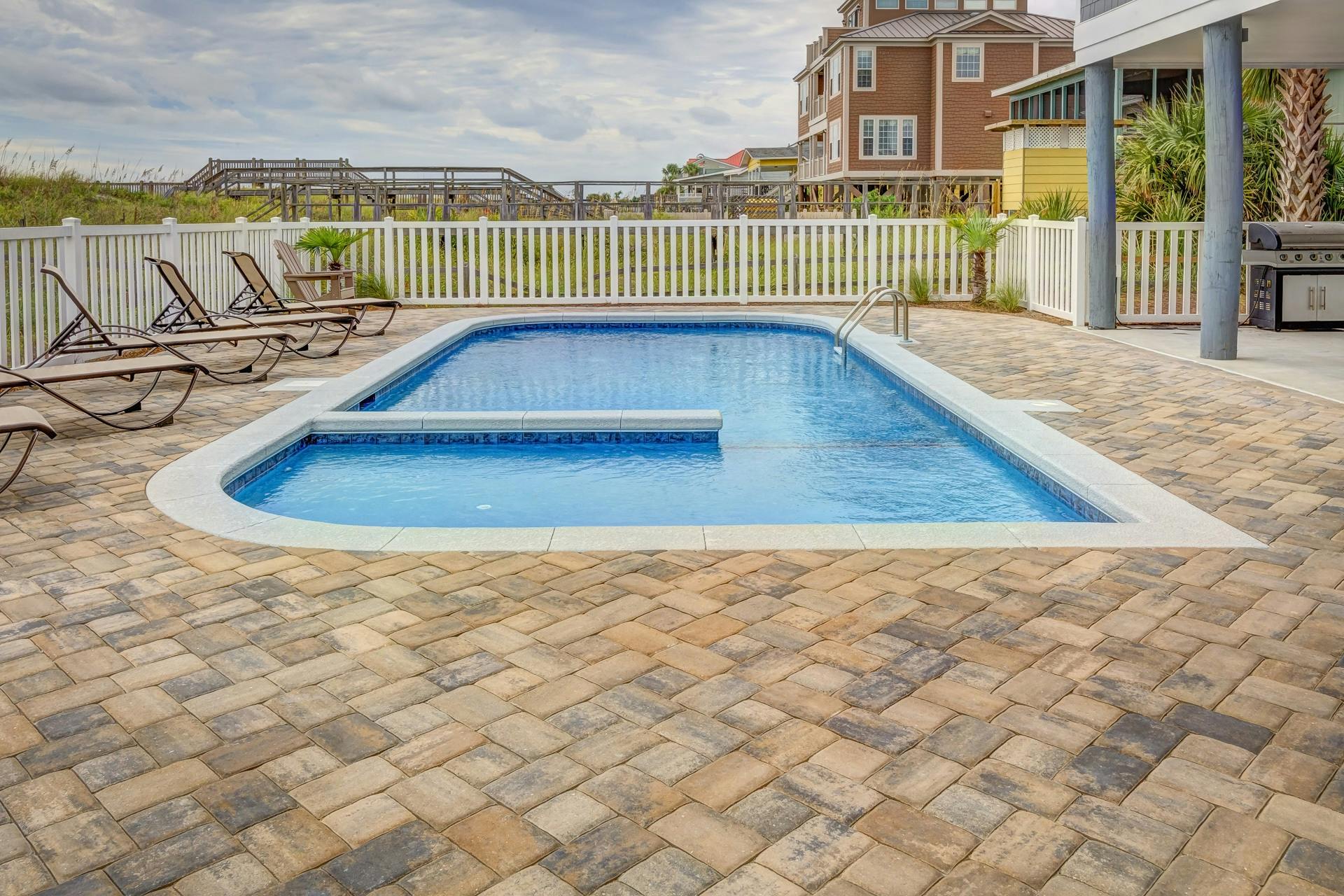
Owning a pool in Texas is one of the best decisions you can make for your home. With summers that stretch well past Labor Day and mild winters that still allow for occasional swims, a backyard pool gets used more here than almost anywhere else in the country. But all that use — combined with Texas heat, UV exposure, pollen, and humidity — means pool maintenance isn't something you can afford to put off.
This guide covers everything Texas homeowners need to know about pool maintenance: what it includes, how often it needs to happen, what it costs to ignore it, and why professional pool maintenance service is worth every penny.
Pool maintenance is the ongoing process of keeping your pool's water chemistry balanced, its surfaces clean, and its equipment running properly. It's not a one-time job — it's a recurring commitment that, when done consistently, keeps your pool safe, clear, and enjoyable all year long.
A lot of homeowners confuse pool maintenance with pool cleaning. While cleaning is absolutely part of maintenance, proper pool maintenance goes deeper. It includes monitoring your equipment for early signs of wear, adjusting chemicals before problems develop, catching leaks before they cause structural damage, and making sure every component of your pool system is doing its job.
Skip pool maintenance long enough and you're not just dealing with a dirty pool. You're looking at equipment failures, algae blooms, surface staining, and repair bills that could have been entirely avoided. In Texas, where pools are used hard and the climate is unforgiving, regular pool maintenance isn't optional — it's what protects your investment.
Professional pool maintenance covers a much wider scope than most homeowners realize. Here's a breakdown of what should be included in every pool maintenance visit:
Water chemistry testing and balancing. This is the foundation of all pool maintenance. Your pool water needs to stay within specific ranges for pH, chlorine, alkalinity, calcium hardness, and cyanuric acid. When any one of these readings drifts out of range, it creates a chain reaction — cloudy water, skin irritation, algae growth, or damage to your pool surfaces and equipment. Professional pool maintenance always starts with a full chemical test and the appropriate adjustments.
Surface brushing. Algae and calcium deposits build up on pool walls, steps, and floors over time. Regular brushing during every pool maintenance visit keeps these surfaces clean and prevents buildup from becoming a bigger problem.
Vacuuming and debris removal. Even with an automatic cleaner running, debris accumulates in corners, on steps, and along the waterline. Thorough vacuuming is a core part of every pool maintenance visit.
Skimmer and pump basket cleaning. Clogged baskets reduce water flow and strain your pump motor. Checking and emptying both the skimmer basket and pump basket is a standard part of pool maintenance that protects your equipment between visits.
Filter maintenance. Your pool filter is one of the hardest-working components in your entire system. Depending on the filter type — sand, cartridge, or DE — pool maintenance includes backwashing, rinsing, or inspecting the filter media to make sure it's functioning at full capacity.
Equipment inspection. A professional pool maintenance technician doesn't just clean — they evaluate. Is the pump running at the right pressure? Are the return jets producing even flow? Is the heater cycling correctly? Catching equipment issues early during routine pool maintenance is how you avoid major repair bills down the road.
Water level check. Evaporation is significant in Texas summers. Pool maintenance includes checking the water level and topping it off as needed to keep your skimmer functioning properly and prevent pump damage from running dry.
Waterline tile cleaning. Calcium and mineral deposits accumulate along the waterline over time. Addressing this during routine pool maintenance keeps your pool looking sharp and prevents harder-to-remove buildup from developing.
Pool maintenance frequency depends on your pool's size, usage, surrounding environment, and the time of year. But in Texas, the baseline recommendation for most residential pools is clear: weekly pool maintenance during spring, summer, and early fall — and at minimum bi-weekly service through the cooler months.
Here's why Texas demands more frequent pool maintenance than most other states:
The heat accelerates everything. UV rays burn through chlorine fast. Algae grows more aggressively in warm water. Evaporation is higher. Every factor that makes pool maintenance challenging is amplified by a Texas summer.
Pollen season is brutal. Spring in Dallas, Houston, San Antonio, and Austin brings waves of tree and grass pollen that dump directly into your pool. Organic material like pollen throws off water chemistry quickly and feeds algae. Without consistent pool maintenance during pollen season, you can go from clear water to a green pool in a matter of days.
Year-round use means year-round wear. Unlike homeowners in northern states who close their pools for five or six months, Texas pool owners swim nearly year-round. That means your equipment never gets a real break, and your water chemistry is always being challenged. Pool maintenance has to keep pace with that level of use.
Storm season brings debris. From spring thunderstorms to Gulf Coast weather events, Texas storms can drop significant debris into your pool overnight. Pool maintenance after major weather events isn't optional — it's necessary to protect your water and equipment.
In addition to weekly service, proper pool maintenance includes tasks that happen on a monthly or seasonal schedule:
Monthly pool maintenance tasks:
Seasonal pool maintenance tasks:
Texas pools don't shut down the way pools in northern climates do, but seasonal pool maintenance adjustments are still important to keep your system running efficiently through every season.
One of the most common mistakes Texas pool owners make is treating pool maintenance as optional — something to get to when there's time or when the pool starts looking bad. The problem with this approach is that by the time you can see the problem, you've already paid for it.
Here's what skipping pool maintenance actually costs:
Algae treatment and recovery. A full algae bloom requires heavy shock treatments, multiple cleaning visits, and sometimes partial or full draining. The cost of recovering a green pool is significantly higher than the cost of the regular pool maintenance visits that would have prevented it.
Equipment repairs. Unbalanced water is corrosive to pool equipment. Acidic water eats away at heater components, pump seals, and metal fittings. High calcium causes scale buildup that clogs pipes and reduces efficiency. Regular pool maintenance keeps water balanced and protects your equipment from premature wear.
Surface damage. Aggressive water chemistry etches plaster, stains vinyl, and deteriorates fiberglass surfaces. Resurfacing a pool is a major expense — one that proper pool maintenance can delay for years.
Emergency service calls. Small problems caught during routine pool maintenance are cheap to fix. The same problem left unaddressed for weeks becomes an emergency repair that costs several times more and may leave your pool out of commission.
The math is simple: consistent pool maintenance costs less — in time, money, and stress — than reactive repairs.
There's a place for homeowner involvement in pool maintenance. Emptying the skimmer basket between visits, removing large debris after a storm, and keeping an eye on the water level are all things pool owners can and should do. But full pool maintenance — the kind that actually keeps your pool safe and your equipment protected — requires professional training, the right tools, and consistent execution.
Here's what professional pool maintenance provides that DIY can't match:
Accurate water testing. Consumer test strips give rough readings. Professional pool maintenance uses precise testing equipment that catches subtle chemistry shifts before they become visible problems.
Trained eyes on your equipment. A professional pool maintenance technician will notice that a pump is running at slightly higher pressure, that a return jet has weakened, or that a valve is showing wear. Homeowners doing their own pool maintenance often miss these signs until the equipment fails completely.
Documented service history. Every professional pool maintenance visit from CK Pools includes a detailed service report. That documentation is valuable for troubleshooting patterns, warranty claims, and property value when it's time to sell.
Guaranteed results. CK Pools backs their pool maintenance service with a Green-Free Guarantee — if your pool turns green under their care, they fix it at no charge. That's the kind of accountability you can't get from doing it yourself.

No repairs are ever made without your approval. No surprises. Just consistent, professional pool maintenance that keeps your pool clean, safe, and swim-ready every single week.
Ready to put your pool maintenance on autopilot? Request your free quote at ckpools.com/contact and get started with a pool maintenance plan built around your pool and your schedule.